For parents · Building steady kids
What to say when your child wants to give up

Short answer: Don't push with "don't quit", and don't rescue by doing it for them. Name how hard it feels, then shrink the task to the next small step. Praise the trying, out loud, and keep it separate from the result. A child who learns that failing and going back to try again is normal will keep going long after the ones praised only for winning have stopped.
The puzzle won’t work, and the shoelace won’t tie. The tower keeps falling over, and your child is done. “I can’t do it” is halfway to tears, and every parent knows the pull to either push harder or swoop in and finish it. There’s a steadier path between the two.
What to say in the moment
- Name the hard first: “This is really tricky, and you’re frustrated. That makes sense.” A child who feels heard can breathe again.
- Shrink the step: “You don’t have to finish it. Just try this one bit.” A mountain becomes climbable when you only look at the next stone.
- Praise the effort, not the outcome: “You kept going even when it was hard. That’s the bit I’m proud of.” This teaches a child that trying is the win, whatever the tower does.
The idea underneath
Marcus Aurelius wrote himself a note for the days he fell short. It gave him permission to begin again.
From the Stoics
Do not be disgusted, nor discouraged, nor dissatisfied, if thou dost not succeed in doing everything according to right principles; but when thou hast failed, return again.
Even a Roman emperor fell short at things and had to go back and try again. He didn’t waste time being disgusted with himself. He returned to the attempt. For a child, that’s a gift: failing isn’t a full stop. You’re allowed to be bad at something on the way to being alright at it. The children who keep going are the ones who’ve learned that failing and returning is how it works. Everyone falls short. The trick is going back.
The story for this
The ArcherFree to try
“Take care of your aim.”
Even when the wind moves the arrow, you can still aim well. A gentle look at trying your best when the result is out of your hands.
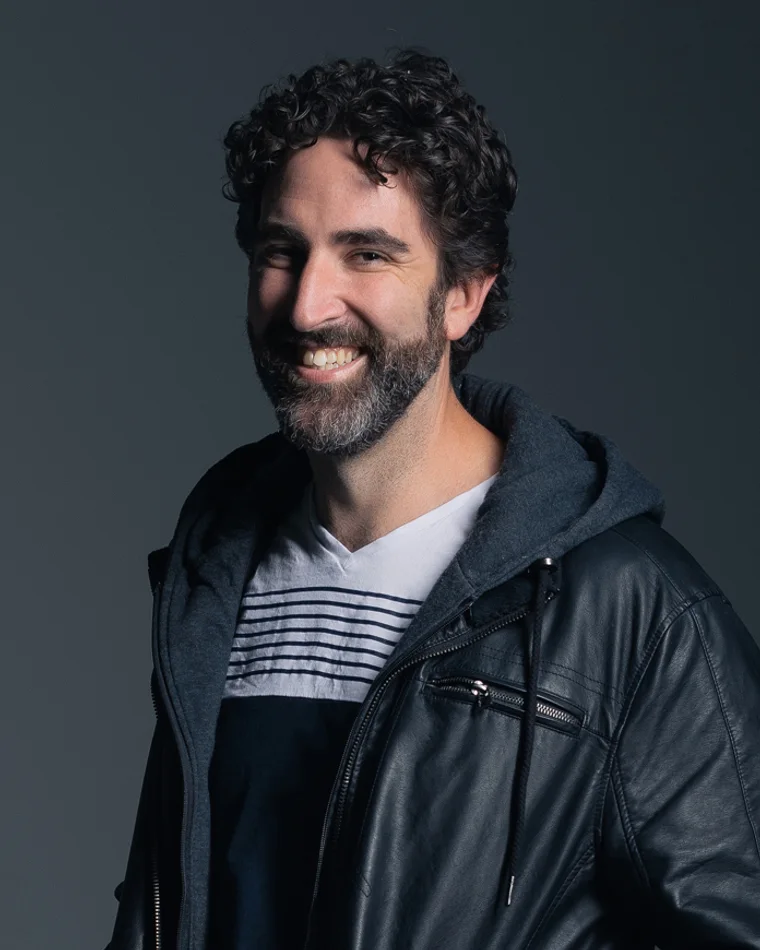
Hear the story → Mark made Stoic Sprout as a dad in Melbourne, for his own young children, with calm stories drawn from the real Stoic philosophers. More about Mark →
Small stories for big feelings.
Calm tales from the real Stoic philosophers, with a phrase your child can keep. A few are free to try.