For parents · What to say when...
What to say when your child is embarrassed

Short answer: Don't wave it away with "no one noticed", which tells a child their feeling is wrong. Name it small and pass over it lightly, the way you'd want yours treated. Embarrassment shrinks fastest when the adult beside it stays completely unbothered. What others thought is mostly out of a child's hands. Whether they can shake it off is a skill you can teach.
A child trips in front of the class, or calls the teacher “Mum”, or gets a name wrong, and wants the floor to swallow them. Embarrassment is a big, hot feeling in a small body, and it’s usually about one thing: what everyone else must be thinking. That’s the thread worth gently pulling.
What to say in the moment
- Keep your own face easy: a child reads you first. If you stay relaxed and kind, they learn the moment wasn’t the disaster it felt like.
- Name it and normalise it: “That felt embarrassing. It happens to everyone, me included.” A shared story (“I once called my teacher Mum too”) does more than reassurance.
- Don’t over-reassure: a flood of “it’s fine, nobody saw, it’s totally fine” can make a child sure it must have been bad. Calm and brief lands better.
The idea underneath
Marcus Aurelius noticed something odd about people, himself included: we care more about what others think of us than about what we think of ourselves.
From the Stoics
Every man loves himself more than all the rest of men, but yet sets less value on his own opinion of himself than on the opinion of others.
Most of what a child dreads lives in a room they can’t see: other people’s heads. The Stoic move is to gently hand a child back their own opinion of themselves. “You know you’re kind. You know you tried. Does it matter so much what the room thought for one second?” Over time, a child who owns their own verdict is a child harder to floor. What the crowd thinks passes in a moment. What they think of themselves, they carry.
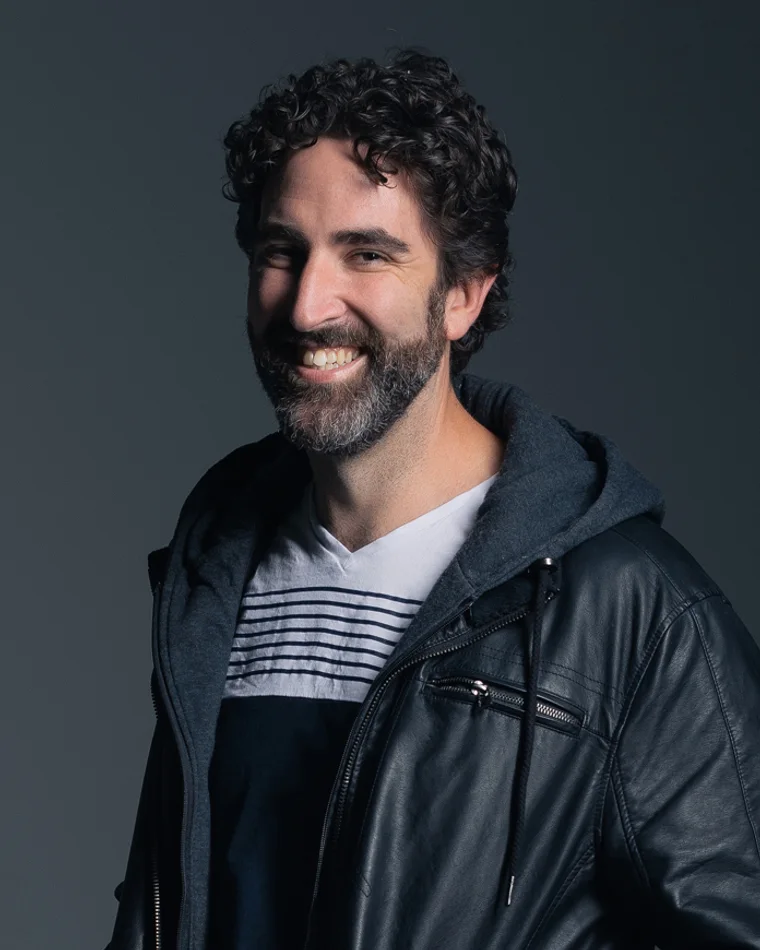
Mark made Stoic Sprout as a dad in Melbourne, for his own young children, with calm stories drawn from the real Stoic philosophers. More about Mark →
Small stories for big feelings.
Calm tales from the real Stoic philosophers, with a phrase your child can keep. A few are free to try.