For parents · Building steady kids
How to raise a grateful child
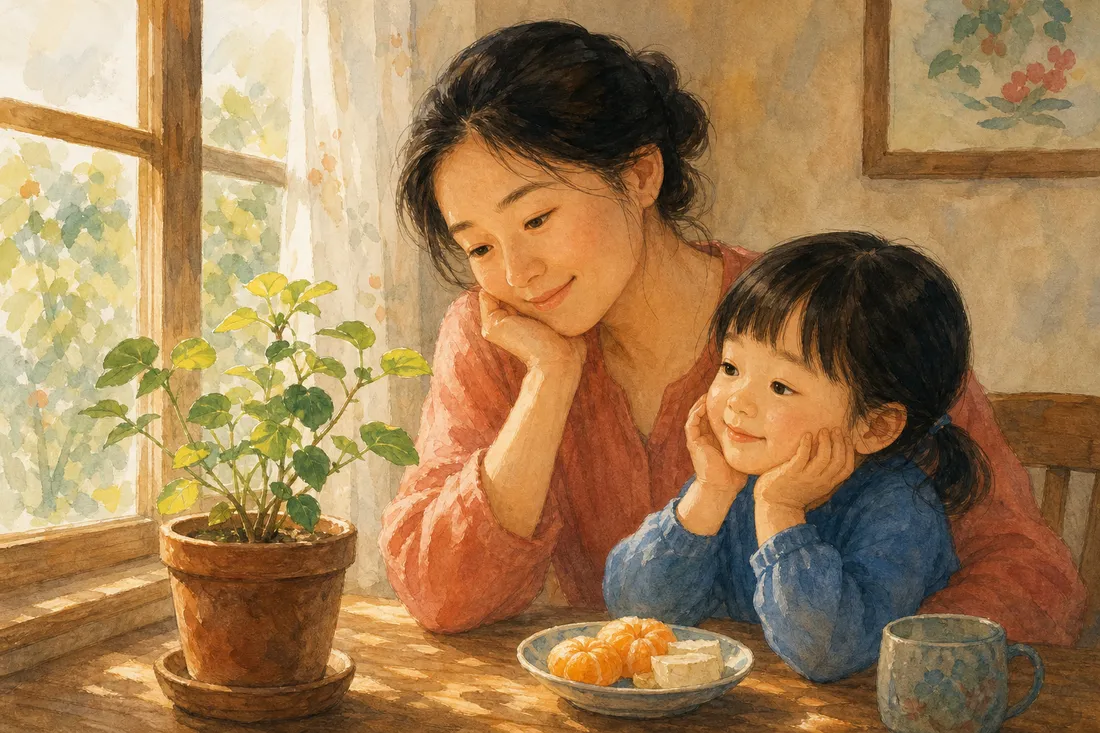
Short answer: Real gratitude isn't a forced "thank you". It's the habit of noticing what you already have. You build it less by insisting on manners and more by wondering out loud, together, about the good things in an ordinary day. A child who learns to notice enough carries a quiet contentment that wanting the next thing can never give.
We all want children who appreciate what they have, and it’s easy to reach for the nagging route: “say thank you”, “you’re so lucky”, “some children have nothing”. It rarely takes. Gratitude on command is only manners, and a child can feel the difference. Real gratitude is quieter, and it grows a different way.
How gratitude actually grows
- Wonder out loud: “Wasn’t that a good day? I loved the bit by the river.” When a child hears you notice small good things, they start to notice their own.
- Make it a tiny habit, not a lecture: one “what was good today?” at bedtime does more over a year than any speech about the less fortunate.
- Let them off the performance: a forced thank-you teaches a child to perform gratitude. A noticed good moment teaches them to feel it. Aim for the feeling.
The idea underneath
Marcus Aurelius had a simple turn of attention that a child can learn: look at what you have, not at what you don’t.
From the Stoics
Think not so much of what thou hast not as of what thou hast.
A wanting mind runs to the next thing and feels a constant small lack. A noticing mind rests on what’s already here and feels full. Marcus went on to suggest a lovely game: pick something you have and imagine how much you’d long for it if it were gone. The favourite toy, a warm bed, the person reading the bedtime story. Teach a child to notice enough, and you hand them a calm that no new toy can buy.
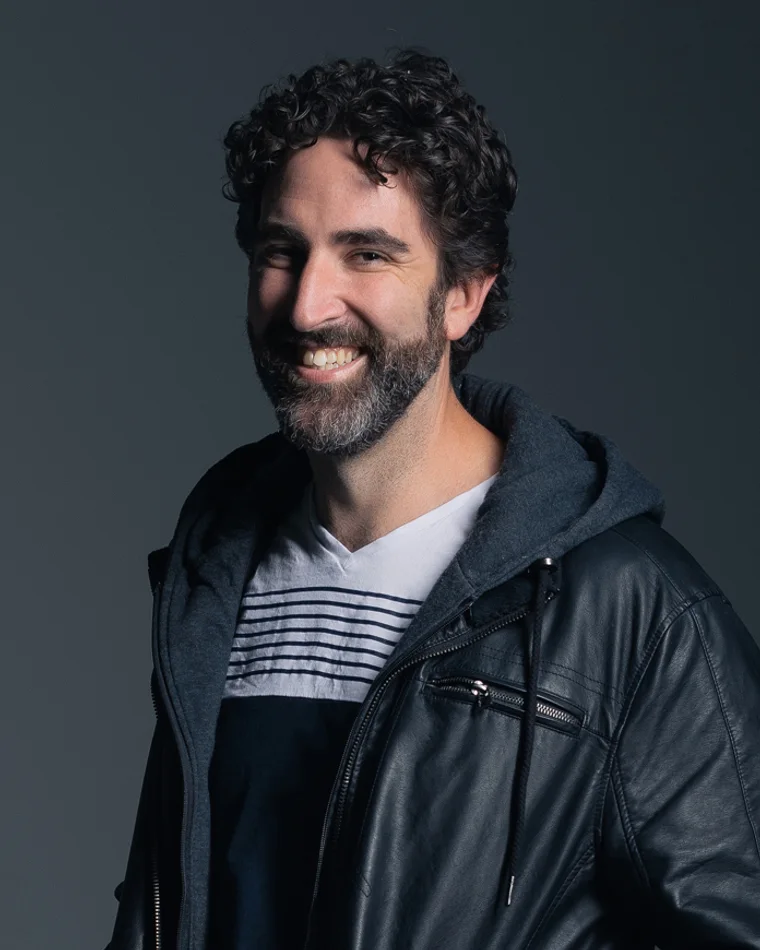
Mark made Stoic Sprout as a dad in Melbourne, for his own young children, with calm stories drawn from the real Stoic philosophers. More about Mark →
Keep reading
Small stories for big feelings.
Calm tales from the real Stoic philosophers, with a phrase your child can keep. A few are free to try.